How Should You Store Wine?
7 August 2026
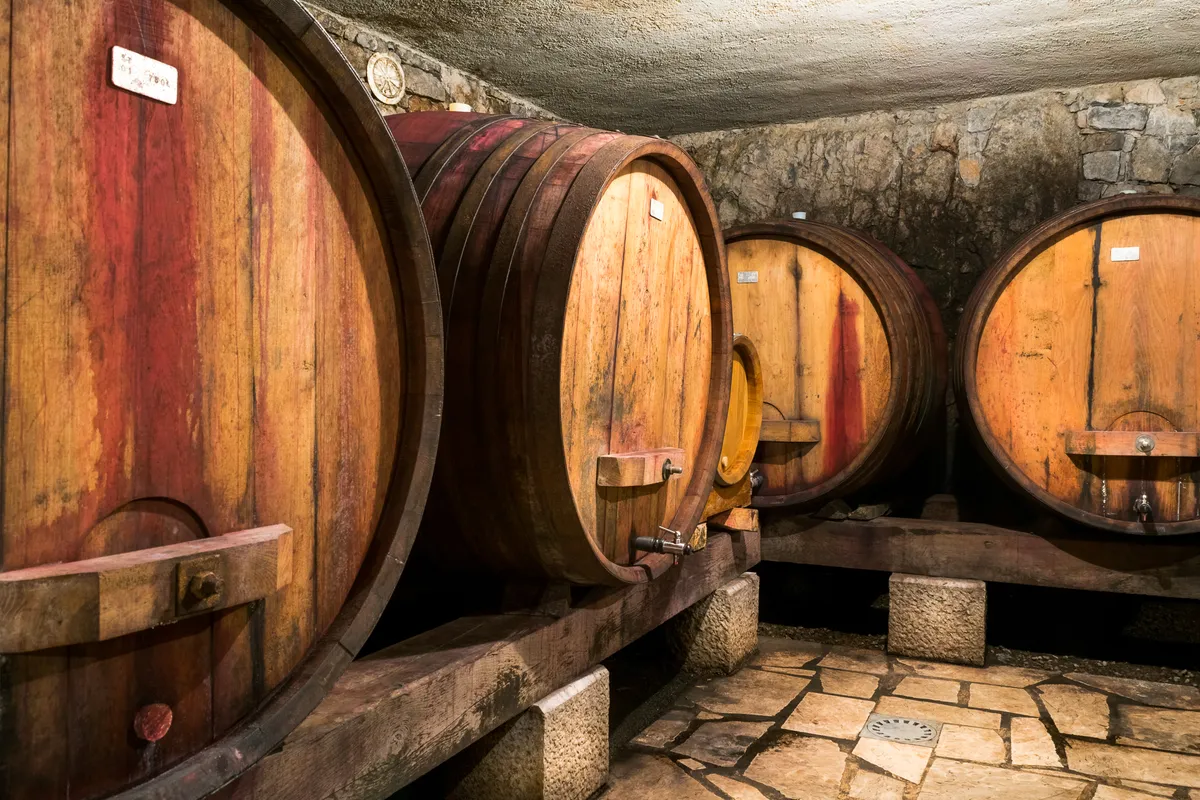
A good wine, made with a great deal of patience in the vineyard and the cellar, deserves proper care at home, too. The rules for storing wine aren't complicated, but they're worth knowing — especially for wines made without filtration or added sulfites.
Temperature is the most important factor
Wine is best stored at a steady, relatively low temperature, without major swings. Temperature swings are actually more harmful to wine than the temperature itself, since they cause the liquid to expand and contract, which can speed up aging or even push the cork out of the bottle. That's why a cellar or a dark cupboard in a cooler part of the home is generally a better choice than a spot near a radiator or in the kitchen, where temperature often fluctuates.
Darkness and stillness
Light, especially direct sunlight, can damage a wine's aroma and colour over time — so it's better to store wine in the dark, or at least away from windows. It's also best if bottles stay still, without frequent moving or vibration, which can disturb the slow aging processes happening inside the bottle.
Bottle position
If a wine has a natural cork, it's best to store the bottle lying down. Moisture from the wine keeps the cork damp and pliable, which stops it from drying out, shrinking, and letting air into the bottle. With other types of closures, position matters less.
What's different about unfiltered wines with no added sulfites
Wines that aren't filtered and have no added sulfites are generally more sensitive to temperature swings and extended heat exposure than more conventionally made wines. It's also completely normal for a light sediment to appear at the bottom of the bottle over time — these are natural particles left in the wine because it wasn't filtered, not a sign that something's wrong.
If you pour such a wine carefully and slowly, the sediment usually stays at the bottom of the bottle and doesn't meaningfully affect the experience in the glass.
At Vina Durcik
Our wines — Naret, Vitovska and Teja — are unfiltered and made without added sulfites, so we recommend storing them at home somewhere cool and dark, away from heat sources. Curious why we make our wines this way? Read What Does "Wine Without Sulfites" Mean?
Frequently asked questions
Do I need to store the bottle lying down?
If the bottle has a natural cork, it's best stored lying down, since moisture from the wine keeps the cork damp and pliable. If it's sealed with a different type of closure, position matters less.
Why do unfiltered wines sometimes have sediment?
Because they're not filtered, they can naturally retain small particles of yeast or grape tannin, which settle to the bottom of the bottle over time. This is normal and doesn't mean the wine has gone bad.