What Is Vitovska?
12 June 2026
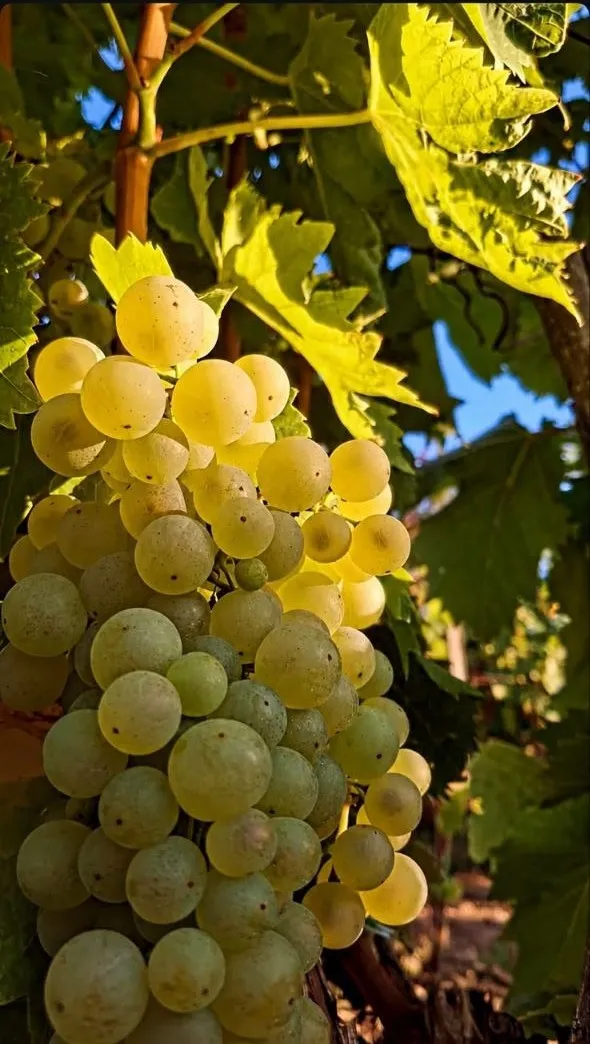
Anyone searching "vitovska" on Google is usually looking for one of two things: whether it's a specific grape variety, or they've heard about "orange wine" from the Karst and want to know what that actually means. The answer to both questions starts in the same place — on the stony plateau between Trieste and the Vipava Valley.
Vitovska is a native Karst variety
Vitovska, often written in full as Vitovska Grganja, is a white grape variety that originates on the Karst. Ampelographic sources consider it native to the area — meaning it didn't arrive from elsewhere, but developed right here, on the border between Slovenia and Italy, where the Karst plateau extends on both sides. On the Italian side (Carso), it's known by the same name.
The name is thought to come from the word "vitovje," or to be linked to the roots of the tendril plant — but the origin of the name isn't the only thing that's interesting about this variety. More importantly, Vitovska is one of the few white varieties to have survived on the Karst through the centuries, while more widespread international varieties took hold elsewhere.
Why Vitovska grows on the Karst specifically
The Karst isn't a friendly environment for the vine. The soil is shallow, the bedrock is limestone, summers are dry, and in winter and spring the bora wind often blows across the plateau — a strong, gusting wind that can exceed 100 km/h.
Vitovska is well adapted to these conditions. It has a relatively thick grape skin, which makes it more resistant to disease in wetter periods, while also handling drought and wind well. Its roots reach deep into the cracks in the limestone bedrock in search of moisture, which later gives the wine a pronounced minerality.
Terra rossa — the reddish soil formed as limestone dissolves — combined with this bedrock and climate gives Vitovska the characteristic high acidity and structure the variety is known for.
Character of the grape and the wine
Vitovska grapes are relatively resistant, which lets growers take their time with ripening. The wine made from them is known for pronounced, fresh acidity; minerality that comes from the limestone bedrock; a relatively neutral varietal scent compared with aromatic varieties (Vitovska doesn't smell strongly of flowers or tropical fruit, but more of herbs, stone and citrus peel); and good potential for extended aging.
Precisely because the variety itself isn't strongly aromatic, it depends all the more on how it's made. The same grape can produce a completely fresh, light white wine or a deep, structured wine with many layers — depending on the choices made in the cellar.
Vitovska and maceration — where "orange wine" comes from
Much of the reputation Vitovska has gained in recent years comes from macerated versions of the variety. Maceration means that after pressing, the grape juice doesn't run straight off the skins, but stays in contact with them — the same as what happens with red wine. Colour compounds, tannins and additional aromas leach from the skins into the wine, which is why macerated white wines take on a deeper gold to amber colour (hence the term "orange wine") and a more pronounced structure.
Because Vitovska has a thick skin and a relatively neutral varietal character, it's a natural fit for this approach: the skin contributes the texture and complexity that the variety alone doesn't offer to the same degree. Maceration for Vitovska lasts anywhere from a few days to a few weeks, depending on the producer and the intended style — longer maceration means more structure, tannin and depth, while shorter maceration keeps more freshness.
It's worth understanding that maceration isn't a "mistake" or an experiment, but a traditional way of making white wine, known long before the arrival of modern, cold, reductive cellar technology. On the Karst and in the neighbouring Carso, it's now part of the recognizable style of a number of producers building on that tradition.
Vitovska at Vina Durcik
We make our Vitovska as a 100% varietal wine from Vitovska Grganja. We follow an approach close to the traditional one: fermentation happens spontaneously, without added yeasts, maceration lasts 9 to 14 days, and the wine then ages for one to three years in wooden barrels. We don't add sulfites and we don't filter the wine.
For us this isn't a marketing decision, but a continuation of the approach that's been used on the Karst for generations — as little intervention as possible, and as much time as needed for the wine to show where it comes from.
You can read more about our Vitovska, the vintage and how to order it on the Vitovska page.
Where to go from here
Curious how Vitovska ties into the wider Karst story — the bora, terra rossa and limestone that shape every wine from the area? Read our page on the Karst. Or, if you'd rather see Vitovska in a glass than on a screen, join us for a tasting in Pliskovica.
Frequently asked questions
Is Vitovska always an orange wine?
No. Vitovska is also made as a fresh, unmacerated white wine with no skin contact. Macerated versions, which give a deeper gold to amber colour, have become one of the variety's most recognizable styles, because its thick skin and relatively neutral varietal character handle extended contact with the grape juice well.
Is Vitovska the same as Malvazija?
No, they're two different varieties. Malvazija is more aromatic, with a more pronounced fruity and floral scent, while Vitovska is a more neutral variety with pronounced acidity and minerality that makes it well suited to extended aging and maceration.
Is Vitovska native only to Slovenia?
Vitovska grows across the entire Karst plateau, which spans both the Slovenian and Italian sides of the border (where it's part of the Carso area). The variety is therefore native to the Karst as a geographic and geological whole, regardless of the national border.